About this ebook
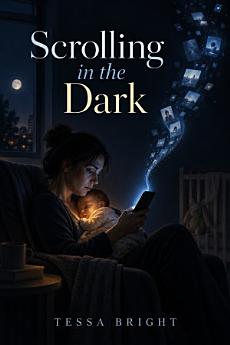
It is 3:17 a.m. The house is dead quiet, your baby is nursing or taking a bottle against your chest, and your thumb is moving across the glass on autopilot. You opened your phone to check the time or log a feed—and forty-five minutes vanished into a blur of forums, algorithmic reels, and distressing news headlines.
Then comes the quiet, crushing wave of modern parental shame: My baby is right here in my arms, growing by the second, and I’m staring into an algorithm. What kind of parent does this?
Put down the guilt. Your screen habits in the dark are not a failure of character or a lack of love. They are a predictable neurological response to acute sensory deprivation, bone-deep isolation, and chronic exhaustion.
The Small-Hours Trap: Why Traditional Digital Detoxing Fails
Standard advice for screen addiction tells you to set aggressive app limits, leave your devices in another room, and rely on sheer discipline. That advice assumes an individual sleeping eight hours, functioning during daylight, and living an emotionally regulated life.
It fails completely in the trenches of early parenthood because nighttime feeding creates an intense biological and psychological bottleneck:
Severe Dopamine Depletion: Fragmented, broken sleep robs your prefrontal cortex of basic executive function. A depleted brain instinctively seeks rapid, frictionless dopamine to stay conscious and upright.
The Social Vacuum: Night waking is inherently isolating. Human biology was never built for one adult to sit in pitch darkness alone for hours on end. The screen acts as an artificial proxy for human connection and village presence.
The Vigilance Feedback Loop: Scrolling frequently turns into panic-searching infant sleep benchmarks, feeding charts, and developmental milestones. The illusion of gathering information temporarily soothes post-partum anxiety, while blue light and algorithmically weaponized panic keep your nervous system in a hyper-aroused survival state.
You cannot meditate your way out of evolutionary biology. The problem was never your parenting values; it was an environment designed to trap a sleep-deprived nervous system.
A Realistic, One-Handed Blueprint for the Dark Hours
The 3 A.M. Feed discards the sanctimonious lectures of screen-time purists and offers a gentle, tactical manual for real-world recovery. Built specifically around the reality of feeding chairs, holding a baby with one arm, and running on fragmented naps, this book gives you practical systems to reclaim your attention and feel anchored in the nursery again.
Inside the Frameworks:
The Dopamine-Survival Mechanism: Understand the exact neurobiology behind the automatic reach for your phone, neutralizing late-night self-criticism instantly.
Friction Architecture for Dark Rooms: Low-effort device setups that remove predatory algorithmic hooks before your head even hits the pillow.
The "Connection Substitute" Diagnostic: A 5-second mental check to recognize whether you are scrolling out of physical boredom, terror of dropping off to sleep, or sheer sensory loneliness.
Low-Cognitive One-Handed Alternatives: Practical, non-stimulating ways to stay awake, grounded, and emotionally stable during marathon cluster feeds without triggering a screen binge.
The Guilt-Loop Circuit Breaker: A gentle cognitive framework that stops postpartum guilt from fueling the emotional exhaustion that keeps you scrolling.
The "Present Enough" Standard: How to dismantle impossible ideals of blissful, 24/7 maternal or paternal focus and replace them with sustainable, grounded connection.
Reclaim the Room, Keep Your Humanity
These early months are undeniably fast, but they are also profoundly heavy. You do not need to become a zen master in the dark, and you do not need to punish yourself for feeling tired, bored, or lonely.
With the right structural boundaries, you can step out of the algorithmic vortex and come back into the quiet room with your child—calm, rested in spirit, and free of shame.
Select your format, click Buy Now, and bring peace back to your nights.
Disclaimer: This book is published for educational and informational purposes only. It is not intended to diagnose, treat, or replace professional mental health care, medical advice, or clinical treatment for postpartum depression, postpartum anxiety, or pediatric sleep concerns. Always consult a licensed pediatrician or healthcare professional regarding your and your child's health.