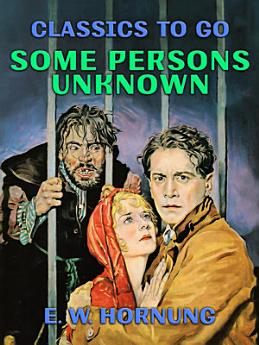
এই ইবুকখনৰ বিষয়ে
Excerpt: "Kenyon had been more unmanageable than usual. Unsettled and excitable from the moment he awoke and remembered who was coming in the evening, he had remained in an unsafe state all day. That evening found him with unbroken bones was a miracle to Ethel his sister, and to his great friend John, the under-gardener. Poor Ethel was in charge; and sole charge of Kenyon, who was eleven, was no light matter for a girl with her hair still down. Her brother was a handful at most times; to-day he would have filled some pairs of stronger hands than Ethel's. They had begun the morning together, with snob-cricket, as the small boy called it; but Kenyon had been rather rude over it, and Ethel had retired. She soon regretted this step; it had made him reckless; he had spent the most dangerous day. Kenyon delighted in danger. He had a mania for walking round the entire premises on the garden wall, which was high enough to kill him if he fell, and for clambering over the greenhouses, which offered a still more fascinating risk. Not only had he done both this morning, he had gone so far as to straddle a gable of the house itself, shrieking good-tempered insults at Ethel, who appealed to him with tears and entreaties from the lawn below."
Excerpt: "Kenyon had been more unmanageable than usual. Unsettled and excitable from the moment he awoke and remembered who was coming in the evening, he had remained in an unsafe state all day. That evening found him with unbroken bones was a miracle to Ethel his sister, and to his great friend ...
অধিক বিচাৰি পাওক
লিখকৰ বিষয়ে
Ernest William Hornung, born on June 7, 1866, in Middlesbrough, England, is best remembered for his creation of the gentleman thief, A.J. Raffles. Hornung's literary career is marked by his innovative twist on the crime genre, where he inverted the traditional detective story by making his protagonist a charming and morally ambiguous criminal. This subversive approach not only captivated readers but also influenced contemporary writers, including his brother-in-law, Arthur Conan Doyle, the creator of Sherlock Holmes.Hornung's life was as adventurous as his fiction. He spent significant time in Australia, which profoundly influenced his writing and provided a rich backdrop for many of his stories. His experiences Down Under lent authenticity and vibrancy to his narratives, setting him apart from his peers.A notable controversy in Hornung's career was the ethical ambiguity of his hero, Raffles. At a time when literature often depicted clear moral dichotomies, Hornung's character blurred the lines between right and wrong, challenging readers to reconsider their perceptions of morality and justice.Hornung's influence extended beyond his lifetime, as his works paved the way for the anti-heroes and complex characters that populate modern literature. His exploration of themes such as loyalty, honor, and the duality of human nature resonates with contemporary audiences, making his contributions to literature both timeless and revolutionary.E.W. Hornung's legacy is one of daring innovation and profound impact, ensuring his place in the annals of literary history.
Ernest William Hornung, born on June 7, 1866, in Middlesbrough, England, is best remembered for his creation of the gentleman thief, A.J. Raffles. Hornung's literary career is marked by his innovative twist on the crime genre, where he inverted the traditional detective story by making his protag...
এই ইবুকখনক মূল্যাংকন কৰক
আমাক আপোনাৰ মতামত জনাওক।
পঢ়াৰ নির্দেশাৱলী
স্মাৰ্টফ’ন আৰু টেবলেট
Android আৰু iPad/iPhoneৰ বাবে Google Play Books এপটো ইনষ্টল কৰক। ই স্বয়ংক্রিয়ভাৱে আপোনাৰ একাউণ্টৰ সৈতে ছিংক হয় আৰু আপুনি য'তে নাথাকক ত'তেই কোনো অডিঅ'বুক অনলাইন বা অফলাইনত শুনিবলৈ সুবিধা দিয়ে।
লেপটপ আৰু কম্পিউটাৰ
আপুনি কম্পিউটাৰৰ ৱেব ব্রাউজাৰ ব্যৱহাৰ কৰি Google Playত কিনা অডিঅ'বুকসমূহ শুনিব পাৰে।
ই-ৰীডাৰ আৰু অন্য ডিভাইচ
Kobo eReadersৰ দৰে ই-চিয়াঁহীৰ ডিভাইচসমূহত পঢ়িবলৈ, আপুনি এটা ফাইল ডাউনল’ড কৰি সেইটো আপোনাৰ ডিভাইচলৈ স্থানান্তৰণ কৰিব লাগিব। সমৰ্থিত ই-ৰিডাৰলৈ ফাইলটো কেনেকৈ স্থানান্তৰ কৰিব জানিবলৈ সহায় কেন্দ্ৰত থকা সবিশেষ নিৰ্দেশাৱলী চাওক।