À propos de cet e-book
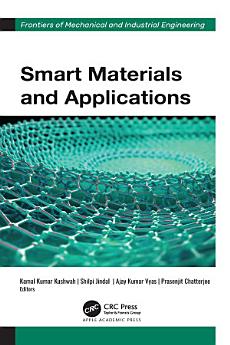
The volume outlines the classification, potential, properties, applications, and fabrication techniques of smart materials and discusses graphene-based materials for solar cells, machine learning techniques for smart materials, the impact of smart materials on digital twin, deep learning methods in materials science, and nature-based smart materials. Some applications that are highlighted include smart materials in robotics for industrial manufacturing, using smart materials for the adaptation of electric vehicles, smart materials for the development of devices in healthcare, using intelligent materials in 4D printing technology, and more.
À propos de l'auteur
Kamal Kumar Kushwah, PhD, is a Professor and Head of the Department of Applied Physics at Jabalpur Engineering College, India. He has published research papers in national and international journals and has authored books and book chapters in the field of materials science. He is a regular reviewer for highly reputed journals. He has been the investigator of the research project titled “Development and Characterization of Rare Earth Ions Doped Borate Based Plasmonic Glasses for LSCs,” funded by the National Project Implementation Unit, Govt. of India.
Shilpi Jindal, PhD, is a Professor of Physics at UIS Chandigarh University, India. She has published several books and research articles with internationally renowned publishers. She is a life member of various agencies like the Indian Science Congress. Dr. Jindal is a green thinker. She has received acceptance for a patent on the topic Portable Load Carrying Device.
Ajay Kumar Vyas, PhD, is an Associate Professor and Head of the Department Information and Communication Technology at Adani University, India. He has published books and research articles with internationally renowned publishers and journals and served as guest editor for the journals MDPI Photonics Journal and Frontiers in Digital Health. Dr. Vyas has also published several edited books and Vyas is a reviewer and editorial board member of several peer-review journals, including the Chinese Journal of Electrical Engineering.
Prasenjit Chatterjee, PhD, is Dean (Research and Consultancy) at the MCKV Institute of Engineering, India. He has published over 130 research papers in international journals and conferences. He has authored and edited more than 15 books on intelligent decision-making, supply chain management, optimization techniques, risk, and sustainability modeling. He has received numerous awards for his work. He has also been a guest editor of several special journal issues. He is the editor of several book series, including AAP Research Notes on Optimization and Decision-Making Theories and Frontiers of Mechanical and Industrial Engineering.