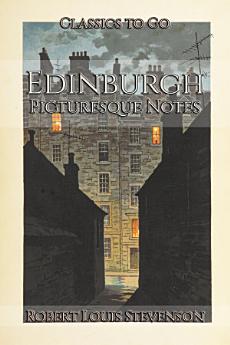
Edinburgh: Restored Classics to Go Edition
About this ebook
About the author
Robert Louis Stevenson was a Scottish novelist, essayist, poet, and travel writer whose life was shaped by frail health, restless curiosity, and a lifelong love of storytelling. Born in Edinburgh in 1850 into a family of lighthouse engineers, he was expected to follow a practical profession, but his imagination pulled him toward literature and adventure. He traveled widely in search of health and inspiration, living in France, the United States, and the South Seas, where his experiences deepened both his writing and his sense of human variety. Stevenson became one of the most admired writers of the late nineteenth century through fiction, essays, travel sketches, and memoir, earning a reputation for style that is vivid, economical, and full of narrative energy. His work often explores duality, moral struggle, identity, loyalty, and the pull between civilization and wildness, themes that still feel strikingly modern in a world shaped by uncertainty and self-invention. He also had a remarkable gift for making place come alive, whether he was reflecting on Edinburgh, journeying through landscapes, or imagining distant islands and shadowy streets. Stevenson's legacy endures because he wrote with both adventure and psychological insight, offering stories that entertain while probing the hidden tensions of human nature. Readers today continue to find in him a writer of elegance, suspense, and emotional depth, and he is especially rewarding for those who love classic adventure, atmospheric prose, and literature that balances excitement with thoughtfulness.