ഈ ഇ-ബുക്കിനെക്കുറിച്ച്
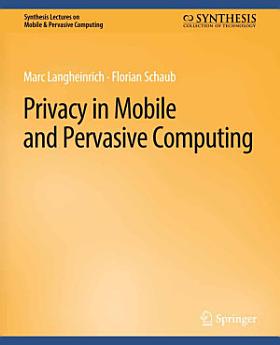
It is easy to imagine that a future populated with an ever-increasing number of mobile and pervasive devices that record our minute goings and doings will significantly expand the amount of information that will be collected, stored, processed, and shared about us by both corporations and governments. The vast majority of this data is likely to benefit us greatly—making our lives more convenient, efficient, and safer through custom-tailored and context-aware services that anticipate what we need, where we need it, and when we need it. But beneath all this convenience, efficiency, and safety lurks the risk of losing control and awareness of what is known about us in the many different contexts of our lives. Eventually, we may find ourselves in a situation where something we said or did will be misinterpreted and held against us, even if the activities were perfectly innocuous at the time. Even more concerning, privacy implications rarely manifest as an explicit, tangible harm. Instead, most privacy harms manifest as an absence of opportunity, which may go unnoticed even though it may substantially impact our lives. In this Synthesis Lecture, we dissect and discuss the privacy implications of mobile and pervasive computing technology. For this purpose, we not only look at how mobile and pervasive computing technology affects our expectations of—and ability to enjoy—privacy, but also look at what constitutes ""privacy"" in the first place, and why we should care about maintaining it. We describe key characteristics of mobile and pervasive computing technology and how those characteristics lead to privacy implications. We discuss seven approaches that can help support end-user privacy in the design of mobile and pervasive computing technologies, and set forward six challenges that will need to be addressed by future research. The prime target audience of this lecture are researchers and practitioners working in mobile and pervasive computing who want to better understand and account for the nuanced privacy implications of the technologies they are creating. Those new to either mobile and pervasive computing or privacy may also benefit from reading this book to gain an overview and deeper understanding of this highly interdisciplinary and dynamic field.
It is easy to imagine that a future populated with an ever-increasing number of mobile and pervasive devices that record our minute goings and doings will significantly expand the amount of information that will be collected, stored, processed, and shared about us by both corporations and governm...
കൂടുതൽ കണ്ടെത്തൂ
രചയിതാവിനെ കുറിച്ച്
Marc Langheinrich is full professor in the Faculty of Informatics at the Universita della Svizzera Italiana (USI) in Lugano, Switzerland. His research focuses on privacy in mobile and pervasive computing systems, in particular with a view towards social compatibility. Other research interests include usable security and pervasive displays. Marc is a member of the Steering Committee of the UbiComp conference series and chairs the IoT conference Steering Committee. He has been a General Chair or Program Chair of most major conferences in the field-including Ubicomp, PerCom, Pervasive, and the IoT conference-and currently serves as the Editor-in-Chief for IEEE Pervasive Magazine. Marc holds a Ph.D. from ETH Zurich, Switzerland. He can be reached at langheinrich@acm.org. For more information, see https://uc.inf.usi.ch/.Florian Schaub is an assistant professor in the School of Information and the Computer Science and Engineering Division at the University of Michigan. His research focuses on understanding and supporting peoples privacy and security behavior and decision making in complex socio-technological systems. His research interests span privacy, human-computer interaction, and emergent technologies, such as the Internet of Things. Florian received a doctoral degree in Computer Science from the University of Ulm, Germany, and was a postdoctoral fellow in Carnegie Mellon Universitys School of Computer Science. His research has been honored with Best Paper Awards at CHI, the ACM SIGCHI Conference on Human Factors in Computing, and SOUPS, the Symposium on Usable Privacy and Security. Florian can be reached at fschaub@umich.edu. For more information, see https://si.umich.edu/people/florian-schaub.
Marc Langheinrich is full professor in the Faculty of Informatics at the Universita della Svizzera Italiana (USI) in Lugano, Switzerland. His research focuses on privacy in mobile and pervasive computing systems, in particular with a view towards social compatibility. Other research interests inc...
ഈ ഇ-ബുക്ക് റേറ്റ് ചെയ്യുക
നിങ്ങളുടെ അഭിപ്രായം ഞങ്ങളെ അറിയിക്കുക.
വായനാ വിവരങ്ങൾ
സ്മാർട്ട്ഫോണുകളും ടാബ്ലെറ്റുകളും
Android, iPad/iPhone എന്നിവയ്ക്കായി Google Play ബുക്സ് ആപ്പ് ഇൻസ്റ്റാൾ ചെയ്യുക. ഇത് നിങ്ങളുടെ അക്കൗണ്ടുമായി സ്വയമേവ സമന്വയിപ്പിക്കപ്പെടുകയും, എവിടെ ആയിരുന്നാലും ഓൺലൈനിൽ അല്ലെങ്കിൽ ഓഫ്ലൈനിൽ വായിക്കാൻ നിങ്ങളെ അനുവദിക്കുകയും ചെയ്യുന്നു.
ലാപ്ടോപ്പുകളും കമ്പ്യൂട്ടറുകളും
Google Play-യിൽ നിന്ന് വാങ്ങിയിട്ടുള്ള ഓഡിയോ ബുക്കുകൾ കമ്പ്യൂട്ടറിന്റെ വെബ് ബ്രൗസർ ഉപയോഗിച്ചുകൊണ്ട് വായിക്കാവുന്നതാണ്.
ഇ-റീഡറുകളും മറ്റ് ഉപകരണങ്ങളും
Kobo ഇ-റീഡറുകൾ പോലുള്ള ഇ-ഇങ്ക് ഉപകരണങ്ങളിൽ വായിക്കാൻ ഒരു ഫയൽ ഡൗൺലോഡ് ചെയ്ത് അത് നിങ്ങളുടെ ഉപകരണത്തിലേക്ക് കൈമാറേണ്ടതുണ്ട്. പിന്തുണയുള്ള ഇ-റീഡറുകളിലേക്ക് ഫയലുകൾ കൈമാറാൻ, സഹായ കേന്ദ്രത്തിലുള്ള വിശദമായ നിർദ്ദേശങ്ങൾ ഫോളോ ചെയ്യുക.