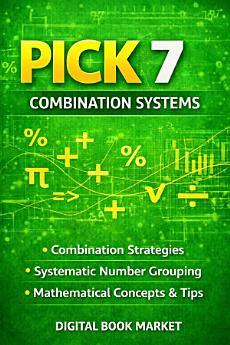
PICK 7 COMBINATION SYSTEMS

ā§§āϟāĻŋ āϰāĻŋāĻ­āĻŋāω
āχ-āĻŦ⧁āĻ•
24
āĻĒ⧃āĻˇā§āĻ āĻž

āĻāχ āχ-āĻŦ⧁āϕ⧇āϰ āĻŦāĻŋāĻˇā§Ÿā§‡

Pick 7 Combination Systems is a structured mathematical guide focused on number grouping theory and systematic combination design specifically for Pick 7 games. The book explains in detail how seven-number combinations are constructed, how larger number pools can be organized into efficient structured layouts, and how probability principles apply when working with seven-number selections.

Within a Pick 7 framework, combinational design becomes more complex due to the increased variable count. This guide breaks down how base number sets can be expanded, reduced, or systematically rearranged to create controlled coverage structures. It clarifies how combination matrices function, how grouping logic reduces redundancy, and how structured selection patterns are formed through mathematical reasoning rather than random assembly.

Certain combination structures are mathematically engineered to provide defined coverage outcomes when specific match conditions occur. These coverage results are determined strictly by the official draw outcomes and the clearly defined structural conditions of each system. No outcome is implied beyond the mathematical conditions described.

The book further explores probability distribution models, coverage balance concepts, combinatorial density, and structured layout optimization for seven-number systems. Emphasis is placed on logical organization, systematic planning, and transparent mathematical design principles.

All content is presented strictly for informational and educational purposes. The focus remains on understanding combinatorial mathematics, structured grouping logic, coverage modeling, and disciplined combination planning within a Pick 7 configuration framework.
Pick 7 Combination Systems is a structured mathematical guide focused on number grouping theory and systematic combination design specifically for Pick 7 games. The book explains in detail how seven-number combinations are constructed, how larger number pools can be organized into efficient struc...

āϰ⧇āϟāĻŋāĻ‚ āĻ“ āĻĒāĻ°ā§āϝāĻžāϞ⧋āϚāύāĻžāϗ⧁āϞāĻŋ

ā§§āϟāĻŋ āϰāĻŋāĻ­āĻŋāω

āχ-āĻŦ⧁āϕ⧇ āϰ⧇āϟāĻŋāĻ‚ āĻĻāĻŋāύ

āφāĻĒāύāĻžāϰ āĻŽāϤāĻžāĻŽāϤ āϜāĻžāύāĻžāύāĨ¤

āĻĒāĻ āύ āϤāĻĨā§āϝ

āĻ¸ā§āĻŽāĻžāĻ°ā§āϟāĻĢā§‹āύ āĻāĻŦāĻ‚ āĻŸā§āϝāĻžāĻŦāϞ⧇āϟ
Android āĻāĻŦāĻ‚ iPad/iPhone āĻāϰ āϜāĻ¨ā§āϝ Google Play āĻŦāχ āĻ…ā§āϝāĻžāĻĒ āχāύāĻ¸ā§āϟāϞ āĻ•āϰ⧁āύāĨ¤ āĻāϟāĻŋ āφāĻĒāύāĻžāϰ āĻ…ā§āϝāĻžāĻ•āĻžāωāĻ¨ā§āĻŸā§‡āϰ āϏāĻžāĻĨ⧇ āĻ…āĻŸā§‹āĻŽā§‡āϟāĻŋāĻ• āϏāĻŋāĻ™ā§āĻ• āĻšā§Ÿ āĻ“ āφāĻĒāύāĻŋ āĻ…āύāϞāĻžāχāύ āĻŦāĻž āĻ…āĻĢāϞāĻžāχāύ āϝāĻžāχ āĻĨāĻžāϕ⧁āύ āύāĻž āϕ⧇āύ āφāĻĒāύāĻžāϕ⧇ āĻĒ⧜āϤ⧇ āĻĻā§‡ā§ŸāĨ¤
āĻ˛ā§āϝāĻžāĻĒāϟāĻĒ āĻ“ āĻ•āĻŽā§āĻĒāĻŋāωāϟāĻžāϰ
Google Play āĻĨ⧇āϕ⧇ āϕ⧇āύāĻž āĻ…āĻĄāĻŋāĻ“āĻŦ⧁āĻ• āφāĻĒāύāĻŋ āĻ•āĻŽā§āĻĒāĻŋāωāϟāĻžāϰ⧇āϰ āĻ“ā§Ÿā§‡āĻŦ āĻŦā§āϰāĻžāωāϜāĻžāϰ⧇ āĻļ⧁āύāϤ⧇ āĻĒāĻžāϰ⧇āύāĨ¤
eReader āĻāĻŦāĻ‚ āĻ…āĻ¨ā§āϝāĻžāĻ¨ā§āϝ āĻĄāĻŋāĻ­āĻžāχāϏ
Kobo eReaders-āĻāϰ āĻŽāϤ⧋ e-ink āĻĄāĻŋāĻ­āĻžāχāϏ⧇ āĻĒāĻĄāĻŧāϤ⧇, āφāĻĒāύāĻžāϕ⧇ āĻāĻ•āϟāĻŋ āĻĢāĻžāχāϞ āĻĄāĻžāωāύāϞ⧋āĻĄ āĻ“ āφāĻĒāύāĻžāϰ āĻĄāĻŋāĻ­āĻžāχāϏ⧇ āĻŸā§āϰāĻžāĻ¨ā§āϏāĻĢāĻžāϰ āĻ•āϰāϤ⧇ āĻšāĻŦ⧇āĨ¤ āĻŦā§āϝāĻŦāĻšāĻžāϰāĻ•āĻžāϰ⧀āϰ āωāĻĻā§āĻĻ⧇āĻļā§āϝ⧇ āϤ⧈āϰāĻŋ āϏāĻšāĻžā§ŸāϤāĻž āϕ⧇āĻ¨ā§āĻĻā§āϰāϤ⧇ āĻĻ⧇āĻ“ā§ŸāĻž āύāĻŋāĻ°ā§āĻĻ⧇āĻļāĻžāĻŦāϞ⧀ āĻ…āύ⧁āϏāϰāĻŖ āĻ•āϰ⧇ āϝ⧇āϏāĻŦ eReader-āĻ āĻĢāĻžāχāϞ āĻĒāĻĄāĻŧāĻž āϝāĻžāĻŦ⧇ āϏ⧇āĻ–āĻžāύ⧇ āĻŸā§āϰāĻžāĻ¨ā§āϏāĻĢāĻžāϰ āĻ•āϰ⧁āύāĨ¤