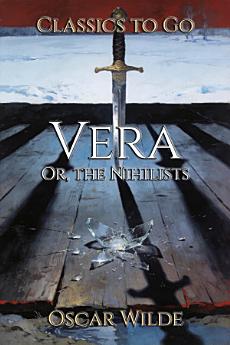
Vera: Restored Classics to Go Edition
About this ebook
Discover more
About the author
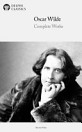
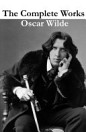
Oscar Wilde was born in Dublin in 1854 into a cultured and intellectually ambitious family, and he went on to study at Trinity College, Dublin, and later at Oxford, where his wit, style, and brilliance began to take shape. He became one of the most dazzling figures of late Victorian letters, celebrated first as a poet, critic, and lecturer, and later as a playwright and novelist whose sharp dialogue and elegant irony transformed English literary taste. Though his career was cut short by scandal and imprisonment, his life was marked by extraordinary creative energy and a fearless commitment to beauty, individuality, and self-invention. Across his writing, Wilde explored the tension between appearance and truth, the costs of social hypocrisy, the fragility of reputation, and the longing for freedom in a restrictive world. These themes still feel urgently modern, especially in an age shaped by public performance, moral judgment, and the pressure to conform. His legacy endures not only in the brilliance of his epigrams and comic timing, but also in his humane, subversive insight into desire, identity, and artistic independence. Readers who enjoy sparkling language, social satire, and writers who are as provocative as they are entertaining will find Wilde endlessly rewarding.