On Translation

· Indiana University Press
E-book
144
Strony
Narzędzia
Odpowiednia

Informacje o e-booku

"Everyone complains about what is lost in translations. This is the first account I have seen of the potentially positive impact of translation, that it represents... a genuinely new contribution." -- Drew A. Hyland

In his original philosophical exploration of translation, John Sallis shows that translating is much more than a matter of transposing one language into another. At the very heart of language, translation is operative throughout human thought and experience. Sallis approaches translation from four directions: from the dream of nontranslation, or universal translatability; through a scene of translation staged by Shakespeare, in which the entire range of senses of translation is played out; through the question of the force of words; and from the representation of untranslatability in painting and music. Drawing on Jakobson, Gadamer, Benjamin, and Derrida, Sallis shows how the classical concept of translation has undergone mutation and deconstruction.

"Everyone complains about what is lost in translations. This is the first account I have seen of the potentially positive impact of translation, that it represents... a genuinely new contribution." -- Drew A. Hyland In his original philosophical exploration of translation, John Sallis shows that ...

O autorze

John Sallis is Edwin Erle Sparks Professor of Philosophy at Pennsylvania State University. His books include Force of Imagination: The Sense of the Elemental; Chorology: On Beginning in Plato's Timaeus; and Shades -- Of Painting at the Limit (all Indiana University Press).
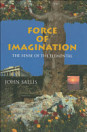
John Sallis is Edwin Erle Sparks Professor of Philosophy at Pennsylvania State University. His books include Force of Imagination: The Sense of the Elemental; Chorology: On Beginning in Plato's Timaeus; and Shades -- Of Painting at the Limit (all Indiana University Press).
Oceń tego e-booka

Podziel się z nami swoją opinią.

Informacje o czytaniu

Smartfony i tablety
Zainstaluj aplikację Książki Google Play na Androida i iPada/iPhone'a. Synchronizuje się ona automatycznie z kontem i pozwala na czytanie w dowolnym miejscu, w trybie online i offline.
Laptopy i komputery
Audiobooków kupionych w Google Play możesz słuchać w przeglądarce internetowej na komputerze.
Czytniki e-booków i inne urządzenia
Aby czytać na e-papierze, na czytnikach takich jak Kobo, musisz pobrać plik i przesłać go na swoje urządzenie. Aby przesłać pliki na obsługiwany czytnik, postępuj zgodnie ze szczegółowymi instrukcjami z Centrum pomocy.