On Translation

· Indiana University Press
El. knyga
144
Puslapiai
Įrankiai
Tinkama

Apie šią el. knygą

"Everyone complains about what is lost in translations. This is the first account I have seen of the potentially positive impact of translation, that it represents... a genuinely new contribution." -- Drew A. Hyland

In his original philosophical exploration of translation, John Sallis shows that translating is much more than a matter of transposing one language into another. At the very heart of language, translation is operative throughout human thought and experience. Sallis approaches translation from four directions: from the dream of nontranslation, or universal translatability; through a scene of translation staged by Shakespeare, in which the entire range of senses of translation is played out; through the question of the force of words; and from the representation of untranslatability in painting and music. Drawing on Jakobson, Gadamer, Benjamin, and Derrida, Sallis shows how the classical concept of translation has undergone mutation and deconstruction.

"Everyone complains about what is lost in translations. This is the first account I have seen of the potentially positive impact of translation, that it represents... a genuinely new contribution." -- Drew A. Hyland In his original philosophical exploration of translation, John Sallis shows that ...

Apie autorių

John Sallis is Edwin Erle Sparks Professor of Philosophy at Pennsylvania State University. His books include Force of Imagination: The Sense of the Elemental; Chorology: On Beginning in Plato's Timaeus; and Shades -- Of Painting at the Limit (all Indiana University Press).
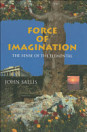
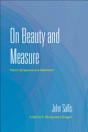
John Sallis is Edwin Erle Sparks Professor of Philosophy at Pennsylvania State University. His books include Force of Imagination: The Sense of the Elemental; Chorology: On Beginning in Plato's Timaeus; and Shades -- Of Painting at the Limit (all Indiana University Press).
Įvertinti šią el. knygą

Pasidalykite savo nuomone.

Skaitymo informacija

Išmanieji telefonai ir planšetiniai kompiuteriai
Įdiekite „Google Play“ knygų programą, skirtą „Android“ ir „iPad“ / „iPhone“. Ji automatiškai susinchronizuojama su paskyra ir jūs galite skaityti tiek prisijungę, tiek neprisijungę, kad ir kur būtumėte.
Nešiojamieji ir staliniai kompiuteriai
Galite klausyti garsinių knygų, įsigytų sistemoje „Google Play“ naudojant kompiuterio žiniatinklio naršyklę.
El. knygų skaitytuvai ir kiti įrenginiai
Jei norite skaityti el. skaitytuvuose, pvz., „Kobo eReader“, turite atsisiųsti failą ir perkelti jį į įrenginį. Kad perkeltumėte failus į palaikomus el. skaitytuvus, vadovaukitės išsamiomis pagalbos centro instrukcijomis.