On Translation

· Indiana University Press
Ebook
144
Pages
Outils
Admissible

À propos de cet ebook

"Everyone complains about what is lost in translations. This is the first account I have seen of the potentially positive impact of translation, that it represents... a genuinely new contribution." -- Drew A. Hyland

In his original philosophical exploration of translation, John Sallis shows that translating is much more than a matter of transposing one language into another. At the very heart of language, translation is operative throughout human thought and experience. Sallis approaches translation from four directions: from the dream of nontranslation, or universal translatability; through a scene of translation staged by Shakespeare, in which the entire range of senses of translation is played out; through the question of the force of words; and from the representation of untranslatability in painting and music. Drawing on Jakobson, Gadamer, Benjamin, and Derrida, Sallis shows how the classical concept of translation has undergone mutation and deconstruction.

"Everyone complains about what is lost in translations. This is the first account I have seen of the potentially positive impact of translation, that it represents... a genuinely new contribution." -- Drew A. Hyland In his original philosophical exploration of translation, John Sallis shows that ...

Quelques mots sur l'auteur

John Sallis is Edwin Erle Sparks Professor of Philosophy at Pennsylvania State University. His books include Force of Imagination: The Sense of the Elemental; Chorology: On Beginning in Plato's Timaeus; and Shades -- Of Painting at the Limit (all Indiana University Press).
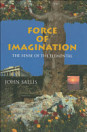
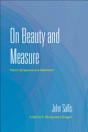
John Sallis is Edwin Erle Sparks Professor of Philosophy at Pennsylvania State University. His books include Force of Imagination: The Sense of the Elemental; Chorology: On Beginning in Plato's Timaeus; and Shades -- Of Painting at the Limit (all Indiana University Press).
Attribuez une note à ce ebook

Faites-nous part de votre avis.

Informations sur la lecture

Téléphones intelligents et tablettes
Installez l'appli Google Play Livres pour Android et iPad ou iPhone. Elle se synchronise automatiquement avec votre compte et vous permet de lire des livres en ligne ou hors connexion, où que vous soyez.
Ordinateurs portables et de bureau
Vous pouvez écouter les livres audio achetés sur Google Play en utilisant le navigateur Web de votre ordinateur.
Liseuses et autres appareils
Pour pouvoir lire des ouvrages sur des appareils utilisant la technologie e-Ink, comme les liseuses électroniques Kobo, vous devez télécharger un fichier et le transférer sur l'appareil en question. Suivez les instructions détaillées du centre d'aide pour transférer les fichiers sur les liseuses électroniques compatibles.