On Translation

· Indiana University Press
eBook
144
Páginas
Herramientas
Apto

Información sobre este eBook

"Everyone complains about what is lost in translations. This is the first account I have seen of the potentially positive impact of translation, that it represents... a genuinely new contribution." -- Drew A. Hyland

In his original philosophical exploration of translation, John Sallis shows that translating is much more than a matter of transposing one language into another. At the very heart of language, translation is operative throughout human thought and experience. Sallis approaches translation from four directions: from the dream of nontranslation, or universal translatability; through a scene of translation staged by Shakespeare, in which the entire range of senses of translation is played out; through the question of the force of words; and from the representation of untranslatability in painting and music. Drawing on Jakobson, Gadamer, Benjamin, and Derrida, Sallis shows how the classical concept of translation has undergone mutation and deconstruction.

"Everyone complains about what is lost in translations. This is the first account I have seen of the potentially positive impact of translation, that it represents... a genuinely new contribution." -- Drew A. Hyland In his original philosophical exploration of translation, John Sallis shows that ...

Acerca del autor

John Sallis is Edwin Erle Sparks Professor of Philosophy at Pennsylvania State University. His books include Force of Imagination: The Sense of the Elemental; Chorology: On Beginning in Plato's Timaeus; and Shades -- Of Painting at the Limit (all Indiana University Press).
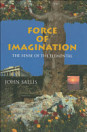
John Sallis is Edwin Erle Sparks Professor of Philosophy at Pennsylvania State University. His books include Force of Imagination: The Sense of the Elemental; Chorology: On Beginning in Plato's Timaeus; and Shades -- Of Painting at the Limit (all Indiana University Press).
Valorar este eBook

Danos tu opinión.

Información sobre cómo leer

Smartphones y tablets
Instala la aplicación Google Play Libros para Android y iPad/iPhone. Se sincroniza automáticamente con tu cuenta y te permite leer contenido online o sin conexión estés donde estés.
Ordenadores portátiles y de escritorio
Puedes usar el navegador web del ordenador para escuchar audiolibros que hayas comprado en Google Play.
eReaders y otros dispositivos
Para leer en dispositivos de tinta electrónica, como los lectores de libros electrónicos de Kobo, es necesario descargar un archivo y transferirlo al dispositivo. Sigue las instrucciones detalladas del Centro de Ayuda para transferir archivos a lectores de libros electrónicos compatibles.