Meer oor hierdie e-boek
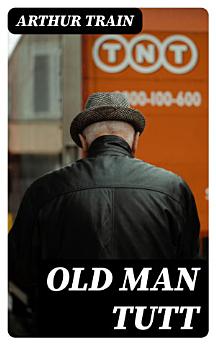
In "Old Man Tutt," Arthur Train masterfully weaves a narrative that intertwines humor and wisdom through the eyes of the eccentric yet shrewd lawyer Tutt. Set against the backdrop of early 20th-century America, the novel employs a rich, colloquial style that captures the essence of its characters while exploring themes of human folly, justice, and societal norms. Train's adept use of dialogue and vivid descriptions brings Tutt and his myriad misadventures to life, offering readers a lens into the complexities of the American legal system and moral dilemmas of the time. Arthur Train, an esteemed lawyer and author, draws upon his extensive legal experience to create a protagonist who reflects both his professional insights and personal beliefs. As a prominent figure in the early 1900s, Train's exposure to the quirks of the legal profession and his keen understanding of human character lend authenticity to Tutt's escapades. His literary career was significantly influenced by his conviction that fiction could illuminate the human condition, ultimately revealing the absurdities of life through the prism of law. "Old Man Tutt" is a delightful read for those who appreciate witty storytelling and intricate character development. Readers seeking a thoughtful exploration of morality within the realm of law will find this book a captivating addition to their literary collection. Train's engaging narrative invites us all to reflect on our own beliefs about justice and community.
In "Old Man Tutt," Arthur Train masterfully weaves a narrative that intertwines humor and wisdom through the eyes of the eccentric yet shrewd lawyer Tutt. Set against the backdrop of early 20th-century America, the novel employs a rich, colloquial style that captures the essence of its characters...
Meer oor die skrywer
Arthur Train was a prominent American lawyer and writer of the early 20th century, best known for his series of stories featuring the character Ephraim Tutt, a kindly though shrewd old lawyer. Born on September 6, 1875, in Boston, Massachusetts, Train attended Harvard University and then pursued a legal education at Harvard Law School. Upon graduation, he joined the New York County District Attorney's Office, where his experiences provided ample material for his later writing. Train's law career was marked by a blend of legal practice and literature, a fusion that gave rise to numerous novels and stories that were both entertaining and informative of legal procedures. His best-known work 'Old Man Tutt' (1920) is a collection of short stories that revolve around the legal adventures of Mr. Tutt. The book reflects Train's literary style characterized by a blend of humor, drama, and a deep understanding of the American legal system. His contribution to legal fiction was significant, effectively bridging the gap between the practice of law and its portrayal in literature. Train passed away on December 22, 1945, leaving behind a legacy that immortalizes him as a distinguished figure in American legal and literary history.
Arthur Train was a prominent American lawyer and writer of the early 20th century, best known for his series of stories featuring the character Ephraim Tutt, a kindly though shrewd old lawyer. Born on September 6, 1875, in Boston, Massachusetts, Train attended Harvard University and then pursued ...
Gradeer hierdie e-boek
Sê vir ons wat jy dink.
Lees inligting
Slimfone en tablette
Installeer die Google Play Boeke-app vir Android en iPad/iPhone. Dit sinkroniseer outomaties met jou rekening en maak dit vir jou moontlik om aanlyn of vanlyn te lees waar jy ook al is.
Skootrekenaars en rekenaars
Jy kan jou rekenaar se webblaaier gebruik om na oudioboeke wat jy op Google Play gekoop het, te luister.
E-lesers en ander toestelle
Om op e-inktoestelle soos Kobo-e-lesers te lees, moet jy ’n lêer aflaai en dit na jou toestel toe oordra. Volg die gedetailleerde hulpsentrumaanwysings om die lêers na ondersteunde e-lesers toe oor te dra.