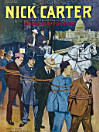
The Pressing Peril: Restored Classics to Go Edition
About this ebook
Discover more
About the author
Nicholas Carter, the house name behind the long-running adventure fiction associated with the Nick Carter stories, became one of the most recognizable names in popular American pulp literature. Rather than a single individual, the name represented a collaborative publishing identity used by writers and editors who helped shape a fast-moving world of detectives, danger, and suspense for mass audiences in the late nineteenth and early twentieth centuries. The character and the stories built around him reflected the era's appetite for bold heroes, criminal intrigue, and rapid-paced plotting, and they helped establish the template for the modern private-eye and action-adventure genre. These tales often centered on ingenuity, moral certainty, and the triumph of order over chaos, while also tapping into anxieties about urban crime, hidden threats, and social change. That combination made the series immensely popular in its own time and still interesting today, because it shows how popular fiction responded to modern life with energy, accessibility, and a strong sense of pace. For contemporary readers, Nicholas Carter matters as a key figure in the history of genre storytelling, illustrating how serialized entertainment could create enduring fictional worlds and influence later mystery and thriller traditions. Readers who enjoy vintage detective fiction, early pulp adventures, and the roots of fast-paced commercial storytelling are especially likely to find this body of work appealing.