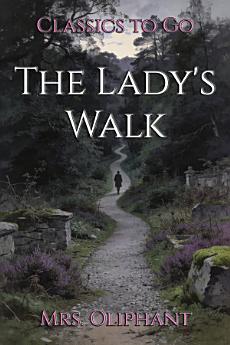
The Lady's Walk: Restored Classics to Go Edition
About this ebook
Discover more
About the author
Mrs. Margaret Oliphant was one of the most accomplished and prolific writers of the nineteenth century, a Scottish novelist, short-story writer, critic, and biographer whose long career was shaped by both literary ambition and personal hardship. Born in 1828, she married young, endured repeated bereavements, and supported her family through an extraordinary outpouring of fiction, criticism, and historical writing, becoming a remarkably steady presence in Victorian letters. Her work ranges widely across social comedy, domestic realism, supernatural fiction, and thoughtful studies of religious and cultural life, and she earned lasting respect for the intelligence, sympathy, and discipline with which she observed ordinary experience. At the heart of her writing are questions of duty, independence, grief, faith, and the quiet pressures placed on women, themes that remain deeply recognizable today. She was especially skilled at revealing the emotional costs hidden beneath respectable surfaces, while also showing the resilience, wit, and moral complexity of her characters. Oliphant's legacy lies in her ability to combine breadth with intimacy: she wrote about households, communities, and private disappointments in a way that still feels vivid and humane. Modern readers will find in her work not only a rich portrait of Victorian life but also a sharp and compassionate exploration of the compromises people make in order to survive. She will particularly appeal to readers who enjoy psychologically nuanced fiction, strong female perspectives, and finely observed stories about family, society, and the inner life.