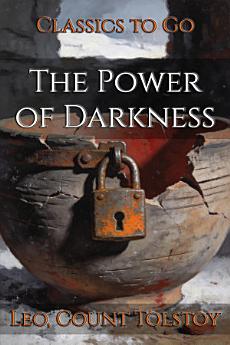
The Power of Darkness: Restored Classics to Go Edition
About this ebook
Discover more
About the author
Leo, Count Tolstoy, was born into Russian aristocracy in 1828 and came of age amid privilege, military service, and the sweeping social changes of nineteenth-century Russia. After early experiences in the army and travels abroad, he turned increasingly to writing, becoming one of the towering figures of world literature through his vast novels, penetrating short fiction, and later moral and philosophical essays. His work is celebrated for its psychological depth, realism, and extraordinary ability to render both private feeling and historical upheaval with equal force. Tolstoy's writing often explores the conflict between conscience and society, the search for meaning, the corruption of power, the burdens of family life, and the possibility of moral renewal. In his later years, he became as famous for his spiritual questioning and social criticism as for his fiction, challenging readers to think seriously about faith, violence, inequality, and the responsibilities of the individual. His influence remains immense because he wrote about the inner life with unmatched clarity while also confronting the ethical dilemmas that still shape modern life. Readers today continue to find in his work a fierce honesty about human weakness and a deep hope for transformation. Tolstoy remains essential for anyone interested in great novels, moral inquiry, Russian history, or stories that combine emotional intensity with philosophical depth.