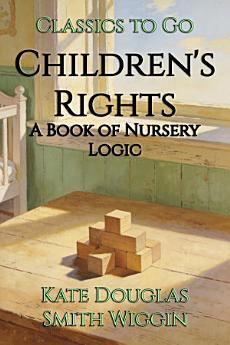
Children's Rights: Restored Classics to Go Edition
About this ebook
About the author
Kate Douglas Smith Wiggin was an American writer, educator, and tireless advocate for children whose life bridged literature and reform at the turn of the twentieth century. Born in Philadelphia and later shaped by her experiences in Maine and California, she devoted much of her career to improving the lives of young people, helping to establish kindergartens and championing progressive ideas about childhood and education. Her writing drew deeply from this commitment, and she became especially admired for stories that capture the humor, resilience, and emotional intelligence of children while gently challenging the adult world's misunderstandings of them. Across her fiction, essays, and reflections on family life, she returned again and again to themes of empathy, independence, domestic affection, and the importance of honoring a child's inner life. Her work remains relevant because its humane vision speaks directly to modern readers concerned with education, parenting, and the dignity of young people, and because her wit and warmth make serious social ideas feel accessible and alive. Wiggin's legacy endures as that of a writer who believed children deserved both respect and joy, and readers who enjoy thoughtful classics about childhood, family life, and the moral imagination will find her especially rewarding.