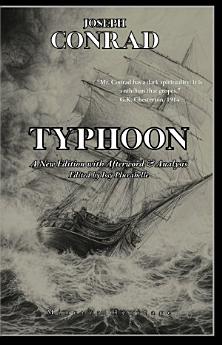
Typhoon: A New Reader's Edition
About this ebook
For Typhoon, to provide historical and intellectual context, the edition includes an afterword, extensive reference materials including a timeline of Conrad's life and works, character glossary and group discussion questions on this literary classic. Typhoon has been lightly edited for contemporary readability, with attention to outdated terminology.
The novella questions the illusion of control through MacWhirr's stubborn adherence to procedure amid chaos. His refusal to romanticize or philosophize about the storm he simply endures it subverts traditional heroism, positioning him as an anti Romantic figure. The typhoon itself is a leveler: it strips away hierarchies, reducing crew and colonized laborers alike to primal survival. Conrad's detached prose mirrors the storm's impersonality, yet the human drama persists. The Chinese workers, treated as cargo, erupt into violence over money, exposing the moral rot beneath colonial commerce. MacWhirr's decision to return their wages, framed as a bureaucratic duty rather than moral awakening, shows Conrad's ambivalence about human motives. Even survival is ambiguous: the ship limps to port, but the cost physical and existential lingers. The storm's aftermath leaves no enlightenment, only the quiet recognition that order is a temporary veneer. Conrad proposes that in a universe indifferent to human striving, resilience is neither noble nor futile, but merely the act of lasting.