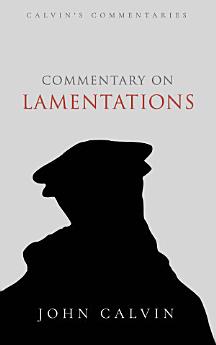
About this ebook
Delivered as lectures in Geneva during the twilight of his life, Calvin’s commentary on the Book of Lamentations captures the Reformer at his most pastoral and reflective. Confronted with the harrowing destruction of the holy city and the desolation of its people, Calvin approaches the text not with detached academic rigor, but with acute sensitivity to the grief of the faithful.
Calvin meticulously unpacks the prophet’s sorrow, guiding readers through the ruins of Zion to demonstrate how divine judgment and divine mercy remain inextricably linked. He examines the nature of genuine repentance, the chastening love of God, and the complex reality of enduring profound loss while anchored to biblical hope.
Far from a purely historical artifact, this commentary offers enduring wisdom on how to pray amidst catastrophe and maintain faith when God appears silent. It provides readers with a deeply personal, theological framework for wrestling with affliction, reminding believers that divine compassion never fails, even in the darkest night of the soul.
Essential for pastors, theologians, and thoughtful readers of Scripture, Calvin’s Commentary on Lamentations remains an indispensable companion for navigating grief, suffering, and the eternal promises of God.
Discover more
About the author
John Calvin (1509-1564) was a prominent French theologian, pastor, and reformer during the Protestant Reformation. He is best known for his influential work in systematic theology, particularly his emphasis on the sovereignty of God and the doctrine of predestination. Calvin's writings, including his magnum opus, Institutes of the Christian Religion, have had a lasting impact on Reformed theology and continue to shape Christian thought to this day.