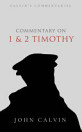
About this ebook
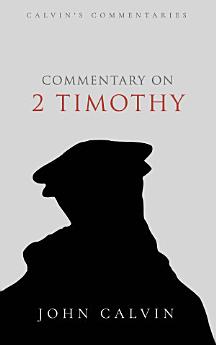
Written from the perspective of a condemned apostle facing execution in Rome, the Second Epistle to Timothy provided John Calvin with the ideal canvas to explore the burdens of spiritual leadership. In this focused exposition, the Genevan reformer treats the Apostle Paul’s parting charge to his younger colleague not merely as ancient correspondence, but as an urgent mandate for a church besieged by doctrinal compromise and institutional decay. Calvin brings his characteristic humanist learning and reverence for the biblical text to bear on every line, modeling his ideal of lucid brevity.
Throughout the commentary, Calvin examines the perennial trials of Christian ministry: the temptation toward cowardice, the allure of speculative novelties, and the inevitability of suffering for the sake of the gospel. He pays meticulous attention to Paul’s instructions regarding sound doctrine, pastoral vigilance, and the divine inspiration and absolute sufficiency of Holy Scripture. Rather than indulging in abstract scholastic debate, Calvin consistently directs the reader toward the practical and spiritual demands of faithful stewardship in adverse times.
The work is animated by Calvin’s profound pastoral warmth and an acute sense of shared vulnerability, reflecting the intense pressures he faced in sixteenth-century Geneva. He repeatedly highlights Paul’s personal reflections—his loneliness, the desertion of erstwhile companions, and his unwavering confidence in Christ—drawing out lessons on perseverance that resonate with raw human emotion and unshakeable conviction.
Essential for pastors, theologians, and students of Reformation history, Calvin’s reflections on 2 Timothy remain as incisive and bracing today as when they were first penned. This classic commentary serves as both an indispensable guide to Paul’s final testament and a timeless summons to guard the sacred deposit of faith.
Discover more
About the author
John Calvin (1509-1564) was a prominent French theologian, pastor, and reformer during the Protestant Reformation. He is best known for his influential work in systematic theology, particularly his emphasis on the sovereignty of God and the doctrine of predestination. Calvin's writings, including his magnum opus, Institutes of the Christian Religion, have had a lasting impact on Reformed theology and continue to shape Christian thought to this day.