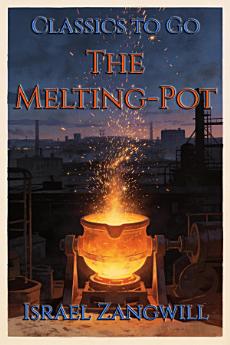
The Melting-Pot: Restored Classics to Go Edition
About this ebook
About the author
Israel Zangwill was a British-born writer, dramatist, and social thinker whose life reflected the restless energy of the late nineteenth and early twentieth centuries. Born in London to a family of Eastern European Jewish immigrants, he was educated in the city's schools and later became closely associated with the intellectual world of Jewish life in Britain. Zangwill first made his mark as a novelist and short-story writer, but he also wrote essays, plays, and polemical pieces that made him a prominent public voice on questions of identity, migration, religion, and national belonging. His most famous contribution to literature and public debate explored the idea of cultural blending in modern society, helping to shape the language people still use when discussing immigration and assimilation today. Across his work, Zangwill returned to themes of exile, prejudice, aspiration, and the search for a place to belong, combining humor, sympathy, and sharp social observation. He was deeply engaged with the political and moral issues of his time, including Jewish emancipation and the possibilities and limits of multicultural society, and those concerns remain strikingly relevant in our own era of global movement and contested identities. Zangwill's legacy lies in his ability to turn urgent social questions into memorable literature that still feels alive, provocative, and humane. Readers who enjoy socially engaged fiction, Jewish literary history, and works that explore identity and belonging with wit and intelligence will find him especially rewarding.