Információk az e-könyvről
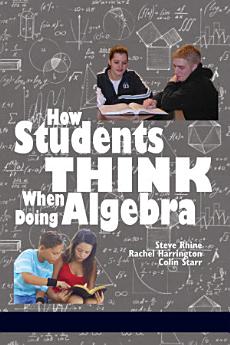
Over time, veteran math teachers develop extensive knowledge of how students engage with algebraic concepts—their misconceptions, ways of thinking, and when and how they are challenged to understand—and use that knowledge to anticipate students’ struggles with particular lessons and plan accordingly. Veteran teachers learn to evaluate whether an incorrect response is a simple error or the symptom of a faulty or naïve understanding of a concept. Novice teachers, on the other hand, lack the experience to anticipate important moments in the learning of their students. They often struggle to make sense of what students say in the classroom and determine whether the response is useful or can further discussion (Leatham, Stockero, Peterson, & Van Zoest 2011; Peterson & Leatham, 2009). The purpose of this book is to accelerate early career teachers’ 'experience' with how students think when doing algebra in middle or high school as well as to supplement veteran teachers’ knowledge of content and students. The research that this book is based upon can provide teachers with insight into the nature of a student’s struggles with particular algebraic ideas—to help teachers identify patterns that imply underlying thinking.
Our book, How Students Think When Doing Algebra, is not intended to be a 'how to' book for teachers. Instead, it is intended to orient new teachers to the ways students think and be a book that teachers at all points in their career continually pull of the shelf when they wonder, 'how might my students struggle with this algebraic concept I am about to teach?' The primary audience for this book is early career mathematics teachers who don’t have extensive experience working with students engaged in mathematics. However, the book can also be useful to veteran teachers to supplement their knowledge and is an ideal resource for mathematics educators who are preparing preservice teachers.