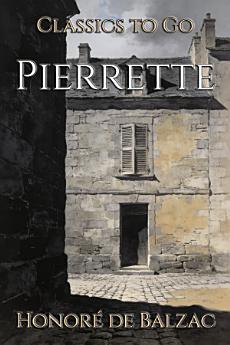
Pierrette: Restored Classics to Go Edition
About this ebook
Discover more
About the author
Honoré de Balzac was born in 1799 in Tours, France, and after an unsettled youth and a series of early failures in business and publishing, he devoted himself to writing with extraordinary determination, eventually producing one of the most ambitious bodies of fiction in European literature. Through relentless labor, debt, and an almost feverish schedule, he created a vast interconnected portrait of French society that made him a master of the realist novel and a sharp observer of ambition, money, class, and social performance. His fiction moves with remarkable energy between provincial life and Parisian power struggles, revealing how desire, vanity, and economic pressure shape human behavior, and his characters remain vivid because they are driven by motives that still feel familiar today. Balzac's work is especially valued for its psychological insight, its unsparing look at social mobility and corruption, and its ability to capture the tension between private aspiration and public life. He died in 1850, but his influence endures in the way modern readers and writers understand realism, social satire, and the complexity of ordinary lives under pressure. Readers who enjoy richly detailed novels, morally layered characters, and stories that expose the hidden machinery of society will find Balzac especially rewarding.