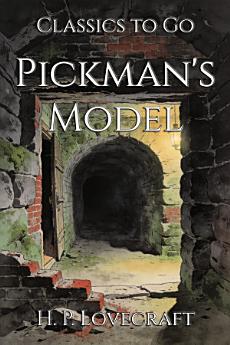
Pickman's Model: Restored Classics to Go Edition
About this ebook
Discover more
About the author
Howard Phillips Lovecraft, born in Providence, Rhode Island, in 1890, lived much of his life in relative obscurity, shaped by illness, financial hardship, and a deep attachment to the past, yet he became one of the most influential figures in twentieth-century horror. Largely self-educated and intensely devoted to literature, astronomy, and antiquarian interests, he built a distinctive body of fiction that transformed supernatural horror into something colder, stranger, and more cosmic than the Gothic tradition that preceded him. His most important achievements lie in the creation of a uniquely unsettling imaginative universe, where human beings are tiny and fragile before ancient forces, forbidden knowledge, and the vast indifference of the cosmos. Across his stories, he explored themes of decay, inherited memory, forbidden curiosity, isolation, and the fear that reality is far larger and more hostile than people can bear to know. These ideas continue to resonate today because they speak to modern anxieties about insignificance, hidden systems, and the limits of human control in an unstable world. Though controversial for his personal views, Lovecraft's literary legacy is undeniable: he helped shape modern horror, science fiction, and the broader language of the uncanny, inspiring generations of writers, filmmakers, and game creators. Readers who enjoy atmospheric dread, eerie mysteries, and stories that linger in the mind long after the final page will find him especially rewarding.