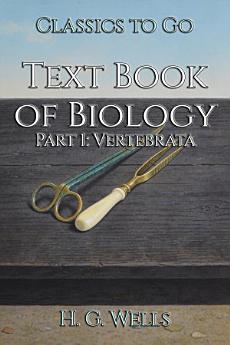
Text Book of Biology: Restored Classics to Go Edition
About this ebook
About the author
H. G. Wells, born in 1866 in Bromley, England, rose from a modest background to become one of the most imaginative and influential writers of the modern age. Trained in science and deeply shaped by his studies and teaching, he brought a rare blend of analytical curiosity and social urgency to his writing, moving with ease from fiction to history, journalism, and political commentary. Over a remarkably productive career, he helped define modern science fiction while also producing ambitious social novels, speculative visions, and incisive essays that examined the forces reshaping industrial society. His work repeatedly returns to themes of scientific progress, class inequality, war, empire, education, and the moral responsibilities of invention, making him strikingly relevant in an era still wrestling with technological change and social division. Wells was not only a prophet of future possibilities but also a sharp critic of the present, warning readers that human intelligence without ethical purpose could lead to disaster. His legacy endures in the way he expanded what literature could do: entertain, provoke, and forecast the consequences of human choices. Readers who enjoy visionary fiction, social criticism, and big ideas grounded in real-world concerns will find him especially rewarding.