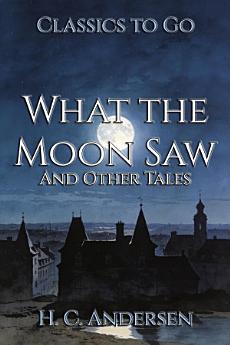
What the Moon Saw: Restored Classics to Go Edition
About this ebook
Discover more
About the author
Hans Christian Andersen, born in 1805 in Odense, Denmark, rose from a poor and uncertain childhood to become one of the most beloved storytellers in world literature. After leaving home as a young man and struggling for years to find his place, he built a remarkable career as a writer, poet, and traveler whose imagination transformed the fairy tale into an art form for readers of all ages. His stories are celebrated for their emotional depth, vivid imagery, and ability to move effortlessly between wonder and sorrow, often revealing how fragile, brave, lonely, or hopeful the human heart can be. Beneath their enchantment, his tales explore themes that still feel urgent today: social inequality, longing for acceptance, the pain of exclusion, resilience in the face of hardship, and the power of kindness and imagination. Andersen's legacy endures because he wrote with uncommon sympathy for outsiders and dreamers, giving voice to feelings that many readers still recognize in themselves. His work remains especially meaningful in a world still marked by division and insecurity, reminding us that compassion and imagination can be forms of survival. Readers who love lyrical storytelling, emotionally rich fairy tales, and literature that speaks both to children and adults will find him especially rewarding.