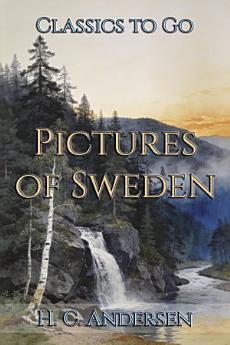
Pictures of Sweden: Restored Classics to Go Edition
About this ebook
About the author
Hans Christian Andersen, born in 1805 in Odense, Denmark, rose from a poor and uncertain childhood to become one of the most beloved storytellers in world literature. After leaving home as a young man to seek his fortune in Copenhagen, he struggled for years as a student, performer, and aspiring writer before finding his true voice in the imaginative tales that would make his name famous across continents. Though he wrote novels, travel accounts, plays, and poetry, he is best remembered for his unforgettable fairy tales, which transformed folk storytelling into art of remarkable psychological depth, humor, and tenderness. His work often explores loneliness, longing, class difference, resilience, vanity, and the painful beauty of growing up, themes that still feel deeply modern because they speak to anyone who has ever felt out of place or hoped for transformation. In pieces such as his travel writing and many of his stories, Andersen also revealed a sharp eye for society, landscape, and the small details that make human life vivid. His legacy endures not only because his tales continue to delight children, but because adults keep returning to them for their emotional honesty and quiet wisdom. Readers who enjoy lyrical prose, moving character portraits, and stories that blend wonder with melancholy will find Andersen especially rewarding.