આ ઇ-પુસ્તક વિશે
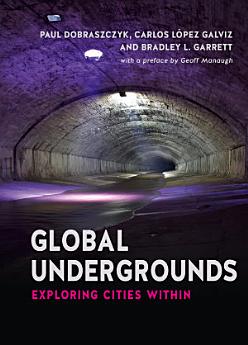
Rest your eyes long enough on the skylines of Delhi, Guangzhou, Jakarta—even Chicago or London—and you will see the same remarkable transformation, building after building going up with the breakneck speed of twenty-first-century urbanization. But there is something else just as transformative that you won’t see: sprawling networks of tunnels rooting these cities into the earth. Global Undergrounds offers a richly illustrated exploration of these subterranean spaces, charting their global reach and the profound—but often unseen—effects they have on human life.
The authors shine their headlamps into an astonishing diversity of manmade underground environments, including subway systems, sewers, communications pipelines, storage facilities, and even shelters. There they find not only an extraordinary range of architectural approaches to underground construction but also a host of different cultural meanings. Underground places can evoke fear or hope; they can serve as sites of memory, places of work, or the hidden headquarters of resistance movements. They are places that can tell a city’s oldest stories or foresee its most distant futures. They are places—ultimately—of both incredible depth and breadth, crucial to all of us topside who work as urban planners, geographers, architects, engineers, or any of us who take subway trains or enjoy fresh water from a faucet. Indeed, as the authors demonstrate, the constant flux within urban undergrounds—the nonstop circulation of people, substances, and energy—serves all city dwellers in myriad ways, not just with the logistics of day-to-day life but as a crucial part of a city’s mythology.
The authors shine their headlamps into an astonishing diversity of manmade underground environments, including subway systems, sewers, communications pipelines, storage facilities, and even shelters. There they find not only an extraordinary range of architectural approaches to underground construction but also a host of different cultural meanings. Underground places can evoke fear or hope; they can serve as sites of memory, places of work, or the hidden headquarters of resistance movements. They are places that can tell a city’s oldest stories or foresee its most distant futures. They are places—ultimately—of both incredible depth and breadth, crucial to all of us topside who work as urban planners, geographers, architects, engineers, or any of us who take subway trains or enjoy fresh water from a faucet. Indeed, as the authors demonstrate, the constant flux within urban undergrounds—the nonstop circulation of people, substances, and energy—serves all city dwellers in myriad ways, not just with the logistics of day-to-day life but as a crucial part of a city’s mythology.
Rest your eyes long enough on the skylines of Delhi, Guangzhou, Jakarta—even Chicago or London—and you will see the same remarkable transformation, building after building going up with the breakneck speed of twenty-first-century urbanization. But there is something else just as transformative th...
લેખક વિશે
Paul Dobraszczyk is a visiting lecturer at the Bartlett School of Architecture and the author of Into the Belly of the Beast and Iron, Ornament and Architecture in Victorian Britain. Carlos López Galviz is a lecturer in the theories and methods of social futures at Lancaster University and coeditor of Going Underground. Bradley L. Garrett is a social geographer at the University of Southampton and the author of Explore Everything and Subterranean London.
Paul Dobraszczyk is a visiting lecturer at the Bartlett School of Architecture and the author of Into the Belly of the Beast and Iron, Ornament and Architecture in Victorian Britain. Carlos López Galviz is a lecturer in the theories and methods of social futures at Lancaster University and coedit...
આ ઇ-પુસ્તકને રેટિંગ આપો
તમે શું વિચારો છો અમને જણાવો.
માહિતી વાંચવી
સ્માર્ટફોન અને ટૅબ્લેટ
Android અને iPad/iPhone માટે Google Play Books ઍપ ઇન્સ્ટૉલ કરો. તે તમારા એકાઉન્ટ સાથે ઑટોમૅટિક રીતે સિંક થાય છે અને તમને જ્યાં પણ હો ત્યાં તમને ઑનલાઇન અથવા ઑફલાઇન વાંચવાની મંજૂરી આપે છે.
લૅપટૉપ અને કમ્પ્યુટર
Google Play પર ખરીદેલ ઑડિઓબુકને તમે તમારા કમ્પ્યુટરના વેબ બ્રાઉઝરનો ઉપયોગ કરીને સાંભળી શકો છો.
eReaders અને અન્ય ડિવાઇસ
Kobo ઇ-રીડર જેવા ઇ-ઇંક ડિવાઇસ પર વાંચવા માટે, તમારે ફાઇલને ડાઉનલોડ કરીને તમારા ડિવાઇસ પર ટ્રાન્સફર કરવાની જરૂર પડશે. સપોર્ટેડ ઇ-રીડર પર ફાઇલો ટ્રાન્સ્ફર કરવા માટે સહાયતા કેન્દ્રની વિગતવાર સૂચનાઓ અનુસરો.