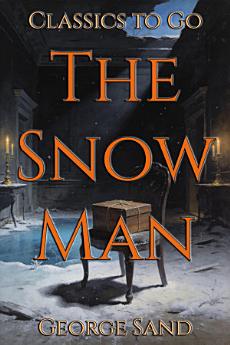
The Snow Man: Restored Classics to Go Edition
About this ebook
Discover more
About the author
George Sand, the celebrated French novelist and memoirist born Amantine Lucile Aurore Dupin in 1804, lived a life as bold and unconventional as the fiction she created. Raised between the worlds of aristocratic privilege and provincial reality, she broke decisively with expectations for women of her time, adopting a male pen name and building a public career that made her one of the most influential writers of nineteenth-century Europe. Over a long and remarkably productive life, she wrote novels, plays, essays, and memoirs with extraordinary range, earning admiration for her vivid storytelling, psychological insight, and deep sympathy for ordinary people. Her work often explores love, freedom, class conflict, rural life, artistic vocation, and the struggle to live authentically against social convention, themes that still feel strikingly modern. She was also a passionate observer of politics and society, using literature to question inequality and imagine more humane ways of living. Sand's legacy endures not only because she helped redefine what a woman writer could be, but because her fiction speaks with warmth and courage about independence, desire, and moral complexity. Readers who enjoy emotionally rich novels, socially engaged literature, and strong, independent voices will find her especially rewarding.