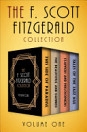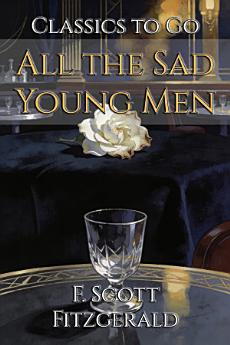
All the Sad Young Men: Restored Classics to Go Edition
About this ebook
Discover more
About the author
F. Scott Fitzgerald, born Francis Scott Key Fitzgerald in 1896 in St. Paul, Minnesota, emerged as one of the defining voices of American literature, a writer whose life seemed to move in step with the glamour and turbulence of the age he portrayed. Educated at Princeton and drawn early to ambition, performance, and social aspiration, he came of age during the upheaval of World War I and rose to fame in the 1920s, the era that would later be inseparable from his name. Across novels, stories, and essays, Fitzgerald captured the shimmer and fragility of modern life with exceptional style, chronicling wealth, desire, youth, disillusionment, and the uneasy dream of reinvention. His fiction is especially admired for its lyrical prose, emotional precision, and sharp awareness of the distance between appearance and reality, qualities that give his work lasting power. He wrote with particular insight about the loneliness hidden beneath social success, the cost of chasing status, and the way hope can be both sustaining and destructive. Though his own life was marked by financial strain, personal hardship, and a long struggle for recognition, his reputation has only grown, and he remains central to any understanding of American writing in the twentieth century. Today, readers still find in his work a haunting portrait of ambition, love, and loss that feels strikingly contemporary in an age still shaped by image, aspiration, and uncertainty. Those who enjoy elegant prose, tragic romance, and stories that reveal the beauty and heartbreak beneath glittering surfaces will find Fitzgerald especially rewarding.