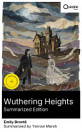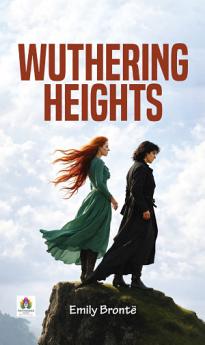
About this ebook
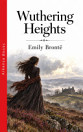
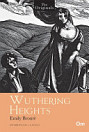
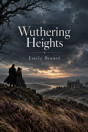
The narrative is uniquely structured through multiple layers of storytelling, primarily relayed by Nelly Dean to the visitor Lockwood. Spanning two generations, the plot explores themes of social class, revenge and the blurred lines between love and hate. The author's prose is strikingly poetic yet raw, portraying a world where passion is a force of nature that transcends death. It remains one of the most powerful and haunting explorations of the human psyche in English literature.
Discover more
About the author
Emily Brontë (1818-1848) was perhaps the most enigmatic and visionary member of the famous Brontë literary family. Born in Thornton and raised in the secluded parsonage of Haworth, Yorkshire, she spent much of her life in the company of her siblings-Charlotte, Anne and Branwell. Emily was known for her fiercely independent spirit and a profound, mystical connection to the moors, which served as the primary inspiration for her creative work.
Though she is best known for her singular novel, Wuthering Heights, she was also an accomplished poet whose verses reflect a deep philosophical preoccupation with nature and the soul. A private and stoic individual, Emily shied away from the literary circles of London, preferring the solitude of her home. Tragically, she died of tuberculosis at the age of thirty, shortly after the publication of her masterpiece.