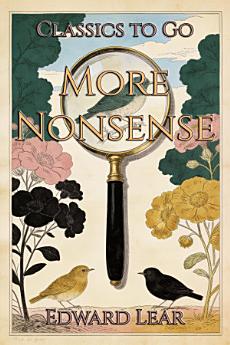
More Nonsense: Restored Classics to Go Edition

· Otbebookpublishing
Ebook
19
Pages
Eligible

About this ebook

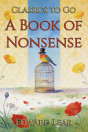
Edward Lear's third book of nonsense opens with a lively defense of his own invention, insisting that both the words and drawings are entirely his, and recalling the delighted reception of his earlier volumes with a comic anecdote about being mistaken for the Earl of Derby. From there, the book erupts into a joyous parade of absurdity: "Nonsense Botany" parodies scientific naming with inventions like Barkia Howlaloudia and Tigerlillia Terribilis, while a long run of limericks introduces eccentric old men, old women, children, and odd animals from Bantry to Thermopylae. Each miniature poem turns an ordinary place into a comic scene of impossible habits, strange mishaps, and deadpan punch lines. The final sections broaden the joke into an alphabet of fantastical creatures and alliterative figures, creating a vivid bestiary of sound, rhythm, and visual wit. The result is a charming world of playful logic, affectionate mockery, and pure comic invention. This edition has been fully restored with modern typesetting, custom cover design.
Edward Lear's third book of nonsense opens with a lively defense of his own invention, insisting that both the words and drawings are entirely his, and recalling the delighted reception of his earlier volumes with a comic anecdote about being mistaken for the Earl of Derby. From there, the book e...

Discover more

About the author

Edward Lear was a Victorian writer, artist, and traveler whose life was as restless and imaginative as his work. Born in London in 1812, he began his career as a gifted illustrator, creating detailed natural history drawings before turning increasingly to poetry, nonsense verse, and travel writing. His wide journeys across Europe and the Mediterranean fed both his art and his sense of wonder, while his lifelong struggles with frailty and loneliness gave his comic writing an unexpected tenderness. Lear became one of the great masters of literary nonsense, celebrated for his playful rhythms, invented words, and delight in absurdity, yet his humor was never empty: beneath the silliness lies a sharp ear for language and a gentle sympathy for outsiders, eccentricity, and the freedom of imagination. His work remains relevant because it reminds readers, young and old, that laughter can be a form of resilience and that creativity can make room for difference, grief, and delight at once. Lear's legacy endures in children's literature, comic verse, and the broader tradition of playful writing that prizes wit as much as wisdom. Readers who enjoy imaginative language, eccentric characters, and poetry that is both funny and strangely moving will especially enjoy Edward Lear.
Edward Lear was a Victorian writer, artist, and traveler whose life was as restless and imaginative as his work. Born in London in 1812, he began his career as a gifted illustrator, creating detailed natural history drawings before turning increasingly to poetry, nonsense verse, and travel writin...

Rate this ebook

Tell us what you think.

Reading information

Smartphones and tablets
Install the Google Play Books app for Android and iPad/iPhone. It syncs automatically with your account and allows you to read online or offline wherever you are.
Laptops and computers
You can listen to audiobooks purchased on Google Play using your computer's web browser.
eReaders and other devices
To read on e-ink devices like Kobo eReaders, you'll need to download a file and transfer it to your device. Follow the detailed Help Center instructions to transfer the files to supported eReaders.