Creativity and Humor

ยท ยท
ยท Academic Press
1 เบ„เบณเบ•เบดเบŠเบปเบก
เบ›เบถเป‰เบกเบญเบตเบšเบธเบ
264
เปœเป‰เบฒ
เบกเบตเบชเบดเบ”

เบเปˆเบฝเบงเบเบฑเบšเบ›เบถเป‰เบก e-book เบ™เบตเป‰

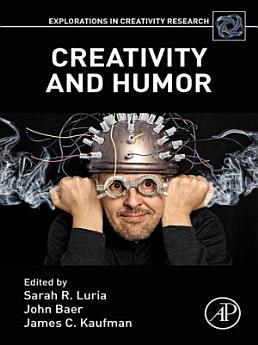
Creativity and Humor provides an overview of the intersection of how humor influences creativity and how creativity can affect humor. The book's chapters speak to the wide reach of creativity and humor with different topics, such as play, culture, work, education, therapy, and social justice covered. As creativity and humor are individual traits and abilities that have each been studied in psychology, this book presents the latest information. - Explains how, and why, humor enhances creativity - Explores the thought processes behind producing humor and creativity - Examines how childhood play is the basis for both creativity and humor - Discusses cross-cultural differences in humor and creativity - Reviews creativity and humor in politics, teaching and relationships
Creativity and Humor provides an overview of the intersection of how humor influences creativity and how creativity can affect humor. The book's chapters speak to the wide reach of creativity and humor with different topics, such as play, culture, work, education, therapy, and social justice cove...

เบเบฒเบ™เบˆเบฑเบ”เบญเบฑเบ™เบ”เบฑเบš เปเบฅเบฐ เบ„เบณเบ•เบดเบŠเบปเบก

1 เบ„เบณเบ•เบดเบŠเบปเบก

เบเปˆเบฝเบงเบเบฑเบšเบœเบนเป‰เบ‚เบฝเบ™

Sarah R. Luria, MEd, is a PhD candidate in Educational Psychology at the Neag School of Education at the University of Connecticut. She taught secondary mathematics, science, and human rights in North Carolina from 2006 until she began her studies in Creativity in 2014. Her research interests include creativity and social justice, equity in educational programming, and human rights education. Her achievements include the Academic Excellence Award from Duke University's Program in Education, The University of Connecticut's Outstanding Scholars' Program Fellowship, and the Joseph Renzulli and Sally Reis Renzulli Fund for Graduate Studies in Gifted Education Scholarship.

Dr. John Baer is a Professor of Educational Psychology at Rider University. He earned his B.A. from Yale University (double major, psychology and Japanese Studies, magna cum laude) and his Ph.D. in cognitive and developmental psychology from Rutgers University.His research on the development of creativity and his teaching have both won national awards, including the American Psychological Association's Berlyne Prize and the National Conference on College Teaching and Learningโ€™s Award for Innovative Excellence. He currently serves on the editorial boards of the Journal of Creative Behavior; Psychology of Aesthetics, Creativity, and the Arts; and the International Journal of Creativity and Problem Solving.His books include Being Creative Inside and Outside the Classroom; Creativity and Divergent Thinking: A Task-Specific Approach; Creative Teachers, Creative Students; Creativity Across Domains: Faces of the Muse; Reason and Creativity in Development; Are We Free? Psychology and Free Will; Essentials of Creativity Assessment; Creatively Gifted Students Are Not Like Other Gifted Students; and Teaching for Creativity in the Common Core Classroom. He has published more than one hundred journal articles, research papers and chapters for edited books.Dr. Baer has taught at all levels from elementary through graduate school. He has been a teacher and program director in gifted education and served as a Regional Director in the Odyssey of the Mind creative problem solving program. Dr. Baer is a Fellow of the American Psychological Association, and he has received research grants from the National Science Foundation, the Educational Testing Service, the National Center for Educational Statistics, the Carnegie Foundation, and Yale, Rutgers, and Rider Universities.

James C. Kaufman, PhD, is a Professor of Educational Psychology at the Neag School of Education at the University of Connecticut. He is the author/editor of more than 30 books and 250 papers. Dr. Kaufman co-founded two APA journals (Psychology of Popular Media Culture and Psychology of Aesthetics, Creativity, and the Arts) and is a Past President of APAโ€™s Division 10. He was won numerous awards, including the Torrance Award from the National Association for Gifted Children, the Berlyne and Farnsworth Awards from APA, and Mensaโ€™s research award.

Sarah R. Luria, MEd, is a PhD candidate in Educational Psychology at the Neag School of Education at the University of Connecticut. She taught secondary mathematics, science, and human rights in North Carolina from 2006 until she began her studies in Creativity in 2014. Her research interests inc...

เปƒเบซเป‰เบ„เบฐเปเบ™เบ™ e-book เบ™เบตเป‰

เบšเบญเบเบžเบงเบเป€เบฎเบปเบฒเบงเปˆเบฒเบ—เปˆเบฒเบ™เบ„เบดเบ”เปเบ™เบงเปƒเบ”.

เบญเปˆเบฒเบ™โ€‹เบ‚เปเป‰โ€‹เบกเบนเบ™โ€‹เบ‚เปˆเบฒเบงโ€‹เบชเบฒเบ™

เบชเบฐเบกเบฒเบ”เป‚เบŸเบ™ เปเบฅเบฐ เปเบ—เบฑเบšเป€เบฅเบฑเบ”
เบ•เบดเบ”เบ•เบฑเป‰เบ‡ เปเบญเบฑเบš Google Play Books เบชเบณเบฅเบฑเบš Android เปเบฅเบฐ iPad/iPhone. เบกเบฑเบ™เบŠเบดเป‰เบ‡เบ‚เปเป‰เบกเบนเบ™เป‚เบ”เบเบญเบฑเบ”เบ•เบฐเป‚เบ™เบกเบฑเบ”เบเบฑเบšเบšเบฑเบ™เบŠเบตเบ‚เบญเบ‡เบ—เปˆเบฒเบ™ เปเบฅเบฐ เบญเบฐเบ™เบธเบเบฒเบ”เปƒเบซเป‰เบ—เปˆเบฒเบ™เบญเปˆเบฒเบ™เบ—เบฒเบ‡เบญเบญเบ™เบฅเบฒเบ เบซเบผเบท เปเบšเบšเบญเบญเบšเบฅเบฒเบเป„เบ”เป‰ เบšเปเปˆเบงเปˆเบฒเบ—เปˆเบฒเบ™เบˆเบฐเบขเบนเปˆเปƒเบช.
เปเบฅเบฑเบšเบ—เบฑเบญเบš เปเบฅเบฐ เบ„เบญเบกเบžเบดเบงเป€เบ•เบต
เบ—เปˆเบฒเบ™เบชเบฒเบกเบฒเบ”เบŸเบฑเบ‡เบ›เบถเป‰เบกเบชเบฝเบ‡เบ—เบตเปˆเบŠเบทเป‰เปƒเบ™ Google Play เป‚เบ”เบเปƒเบŠเป‰เป‚เบ›เบฃเปเบเบฃเบกเบ—เปˆเบญเบ‡เป€เบงเบฑเบšเบ‚เบญเบ‡เบ„เบญเบกเบžเบดเบงเป€เบ•เบตเบ‚เบญเบ‡เบ—เปˆเบฒเบ™เป„เบ”เป‰.
eReaders เปเบฅเบฐเบญเบธเบ›เบฐเบเบญเบ™เบญเบทเปˆเบ™เป†
เป€เบžเบทเปˆเบญเบญเปˆเบฒเบ™เปƒเบ™เบญเบธเบ›เบฐเบเบญเบ™ e-ink เป€เบŠเบฑเปˆเบ™: Kobo eReader, เบ—เปˆเบฒเบ™เบˆเบณเป€เบ›เบฑเบ™เบ•เป‰เบญเบ‡เบ”เบฒเบงเป‚เบซเบผเบ”เป„เบŸเบฅเปŒ เปเบฅเบฐ เป‚เบญเบ™เบเป‰เบฒเบเบกเบฑเบ™เป„เบ›เปƒเบชเปˆเบญเบธเบ›เบฐเบเบญเบ™เบ‚เบญเบ‡เบ—เปˆเบฒเบ™เบเปˆเบญเบ™. เบ›เบฐเบ•เบดเบšเบฑเบ”เบ•เบฒเบกเบ„เบณเปเบ™เบฐเบ™เบณเบฅเบฐเบญเบฝเบ”เบ‚เบญเบ‡ เบชเบนเบ™เบŠเปˆเบงเบเป€เบซเบผเบทเบญ เป€เบžเบทเปˆเบญเป‚เบญเบ™เบเป‰เบฒเบเป„เบŸเบฅเปŒเป„เปƒเบชเปˆ eReader เบ—เบตเปˆเบฎเบญเบ‡เบฎเบฑเบš.