About this ebook
The paratha — from the Sanskrit 'parat' (layers) and 'atta' (flour) — is a pan-fried flatbread distinct from the dry roti or the deep-fried puri. Its defining characteristic is fat: ghee, butter, or oil applied during cooking that creates a golden, slightly crisp exterior while the interior stays soft and tender. In its stuffed form, it becomes a complete meal; in its layered form (lachha), a stunning display of technique; in its regional variants like makki di roti and bajra paratha, a window into the agricultural landscape of India.
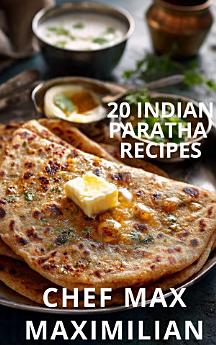
This book presents 20 paratha recipes spanning the full breadth of Indian flatbread tradition — from the iconic Aloo and Gobi of Punjab, to the smoky sattu paratha of Bihar, the crispy Mughlai of Kolkata, the earthy cornmeal makki roti of winter Punjab, and the indulgent sweet meetha paratha of childhood memories. Each recipe is accurate, tested, and accompanied by essential tips.
A note on the tawa: a cast-iron or heavy steel tawa (griddle) produces the best parathas. It retains heat evenly and gives a better crust than a non-stick pan. Always heat the tawa well before the first paratha and maintain a medium-high temperature throughout. And always — be generous with ghee.
Warm your tawa, roll your dough, and let us make parathas.