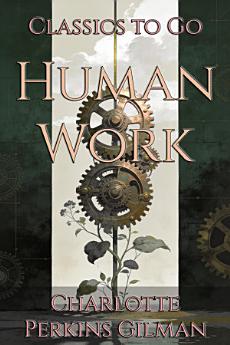
Human Work: Restored Classics to Go Edition
About this ebook
About the author
Charlotte Perkins Gilman was an American writer, lecturer, social thinker, and reformer whose life was shaped by financial hardship, an unstable childhood, and a determination to understand how women's lives were constrained by culture and custom. Born in 1860 and active during a period of rapid social change, she became one of the most influential voices in early feminist thought, writing widely on economics, domestic life, education, and the need for women's independence. Her work ranged from fiction and poetry to essays and social criticism, and she earned lasting recognition for her sharp, accessible arguments about gender roles, labor, and the hidden costs of dependence. Across her writing, she returned again and again to themes of equality, self-realization, and the belief that society could be improved by reorganizing work and family life more justly. These concerns remain strikingly current in an era still debating caregiving, paid labor, domestic labor, and the balance between private life and public opportunity. Gilman's legacy lies in her ability to combine moral urgency with practical social critique, making her a foundational figure for readers interested in feminism, labor reform, and the history of modern ideas. Her writing will especially appeal to readers who enjoy socially engaged literature, feminist classics, and books that challenge the assumptions of everyday life.