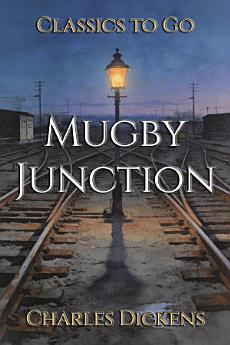
Mugby Junction: Restored Classics to Go Edition
About this ebook
Discover more
About the author
Charles Dickens was born in 1812 in Portsmouth and rose from a childhood marked by financial hardship, family instability, and work in a factory to become one of the most celebrated writers in the English language. His early experiences of poverty and social insecurity gave his fiction its urgency and compassion, and they helped shape a career that included journalism, public readings, magazine editing, and a remarkable stream of novels and shorter fiction that captivated Victorian readers and still endure today. Dickens became famous for his vivid characters, dramatic plots, comic energy, and sharp eye for the injustices of industrial society, bureaucracy, debt, and child suffering, while also finding room for warmth, redemption, and moral complexity. His writing often exposed the gap between public respectability and private misery, and that concern remains strikingly relevant in a world still wrestling with inequality, social mobility, and the human cost of economic systems. He was also a master of atmosphere and urban life, able to make streets, offices, homes, and railway stations feel alive with tension and possibility, as in his later shorter fiction and railway-themed pieces such as Mugby Junction. Dickens's legacy lies not only in his unforgettable storytelling but in his enduring ability to make readers care deeply about the vulnerable and overlooked. Today, he remains essential reading for anyone interested in social justice, memorable characters, and fiction that combines entertainment with conscience, especially readers who enjoy richly detailed, emotionally vivid stories with both humor and heart.