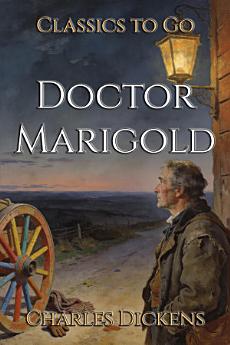
Doctor Marigold: Restored Classics to Go Edition
About this ebook
Discover more
About the author
Charles Dickens was born in 1812 in Portsmouth and grew up amid the pressures of financial insecurity, an experience that shaped both his imagination and his lifelong concern for ordinary people. After a childhood marked by hardship, including a period working in a blacking factory while his father was imprisoned for debt, he rose through journalism to become one of the most celebrated novelists in English literature. Over the course of his career, he created a remarkable body of fiction that combined vivid storytelling, unforgettable characters, social criticism, humor, and deep compassion, helping to define the modern novel for generations of readers. His writing often exposed the cruelty of poverty, inequality, child labor, corruption, and the failures of institutions, while also insisting on the resilience of kindness, conscience, and community. In shorter works as well as his major novels, he showed a gift for emotional directness and memorable voice, making the struggles of the vulnerable feel immediate and human. Dickens's themes remain strikingly relevant today because questions of justice, opportunity, family, and social responsibility are still with us, and his work continues to remind readers that literature can entertain while also stirring moral awareness. His legacy endures not only in the countless adaptations and references inspired by his fiction, but in the way he taught readers to care about the lives of those too often overlooked. He is especially rewarding for readers who enjoy rich characters, strong emotion, social insight, and stories that balance wit with compassion.