About this ebook
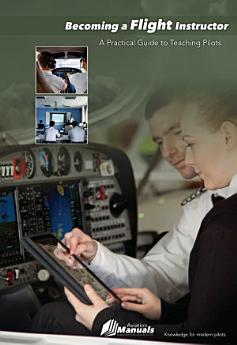
This book addresses a challenge that extends far beyond flying: learning how to teach others to fly.
A professional flight instructor performs several roles within the training environment. The instructor is an educator, evaluator, communicator, mentor, and safety advocate. Every student learns differently, brings a distinct personality to the cockpit, and progresses at an individual pace. Effective instruction therefore requires flexibility, patience, sound judgment, and the ability to adapt each lesson to the student’s needs without compromising training standards.
Throughout this book, we will examine the fundamental knowledge and skills required for flight instruction. Topics include the teaching and learning process, communication techniques, lesson planning, student motivation, performance assessment, error correction, nonverbal communication, and the management of different learning styles and personality traits.
The objective is not simply to present instructional theory, but to connect that theory with the practical realities of the cockpit. Each concept is intended to help future instructors plan more effective lessons, recognize barriers to learning, provide constructive feedback, and create a training environment in which students can develop confidence, competence, and sound aeronautical judgment.
Learning to fly is a demanding process. Learning to teach flying requires an even deeper understanding of people, communication, and aviation. This manual will help you begin that transition from experienced pilot to professional flight instructor.