Autoethnography
ოქტ. 2014 · Oxford University Press
ელწიგნი
144
გვერდი
ხელსაწყოები
info
family_home
მისაღები
info
ამ ელწიგნის შესახებ
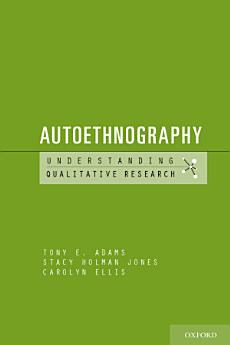
Autoethnography is a method of research that involves describing and analyzing personal experiences in order to understand cultural experiences. The method challenges canonical ways of doing research and recognizes how personal experience influences the research process. Autoethnography acknowledges and accomodates subjectivity, emotionality, and the researcher's influence on research. In this book, the authors provide a historical and conceptual overview of autoethnography. They share their stories of coming to autoethnography and identify key concerns and considerations that led to the development of the method. Next, they outline the purposes and practices--the core ideals--of autoethnography, how autoethnographers can accomplish these ideals, and why researchers might choose to do autoethnography. They describe the processes of doing autoethnography, conducting fieldwork, discussing ethics in research, and interpreting and analyzing personal experience, and they explore the various modes and techniques used and involved in writing autoethnography. They conclude with goals for creating and assessing autoethnography and describe the future of autoethnographic inquiry. Throughout, the authors provide numerous examples of their work and share key resources. This book will serve as both a guide to the practices of doing autoethnography and an exemplar of autoethnographic research processes and representations.
Autoethnography is a method of research that involves describing and analyzing personal experiences in order to understand cultural experiences. The method challenges canonical ways of doing research and recognizes how personal experience influences the research process. Autoethnography acknowled...
ავტორის შესახებ
Tony Adams is Associate Professor and Chair of Communication, Media, and Theatre at Northeastern Illinois University. He is the author of Narrating the Closet: An Autoethnography of Same Sex Desire (Left Coast Press, 2011), co-editor with Stacy Holman Jones and Carolyn Ellis of the Handbook of Autoethnography (Left Coast Press, 2013), and co-editor with Jonathan Wyatt of On (Writing) Families: Autoethnographies of Presence and Absence, Love and Loss (Sense Publishers, 2014). Stacy Holman Jones is Professor of Communication Studies at California State University, Northridge. She is the author of Kaleidoscope Notes: Writing Women's'Music and Organizational Culture (AltaMira) and Torch Singing: Performing Resistance and Desire from Edith Piaf to Billie Holiday (AltaMira) and co-author of Autoethnography (Oxford). She is co-editor (with Carolyn Ellis and Tony E. Adams) of the Handbook of Autoethnography (Left Coast Press) and Storying Home: Place, Identity, Exile (with Devika Chalwa, Lexington Press). She is also editor of the journal Departures in Critical Qualitative Research published by UCPress. Carolyn Ellis is Distinguished University Professor of Communication at University of South Florida in Tampa, Florida. She has published work situated in emotions and interpretive representations of qualitative research, particularly autoethnography. Her current research focuses on working collaboratively with Holocaust survivors
Tony Adams is Associate Professor and Chair of Communication, Media, and Theatre at Northeastern Illinois University. He is the author of Narrating the Closet: An Autoethnography of Same Sex Desire (Left Coast Press, 2011), co-editor with Stacy Holman Jones and Carolyn Ellis of the Handbook of Au...
შეაფასეთ ეს ელწიგნი
გვითხარით თქვენი აზრი.
ინფორმაცია წაკითხვასთან დაკავშირებით
სმარტფონები და ტაბლეტები
დააინსტალირეთ Google Play Books აპი Android და iPad/iPhone მოწყობილობებისთვის. ის ავტომატურად განახორციელებს სინქრონიზაციას თქვენს ანგარიშთან და საშუალებას მოგცემთ, წაიკითხოთ სასურველი კონტენტი ნებისმიერ ადგილას, როგორც ონლაინ, ისე ხაზგარეშე რეჟიმში.
ლეპტოპები და კომპიუტერები
Google Play-ში შეძენილი აუდიოწიგნების მოსმენა თქვენი კომპიუტერის ვებ-ბრაუზერის გამოყენებით შეგიძლიათ.
ელწამკითხველები და სხვა მოწყობილობები
ელექტრონული მელნის მოწყობილობებზე წასაკითხად, როგორიცაა Kobo eReaders, თქვენ უნდა ჩამოტვირთოთ ფაილი და გადაიტანოთ იგი თქვენს მოწყობილობაში. დახმარების ცენტრის დეტალური ინსტრუქციების მიხედვით გადაიტანეთ ფაილები მხარდაჭერილ ელწამკითხველებზე.