About this ebook
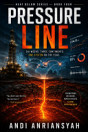
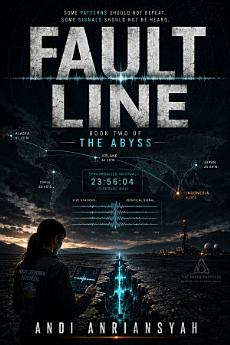
Within weeks, the pattern goes global: an eleven-second synchronized silence rippling across every fault line on Earth, and a geologist named Nadia Prawira — discredited five years earlier for warning about exactly this — forced back into a story she was never allowed to finish telling. As governments scramble to contain what they don't understand, Rania and Kenji have to decide how much truth the world can survive learning at once.
Fault Line is Book Two of The Abyss , picking up the global consequences where Black Reservoir left off — a technothriller about the cost of being right too early, and the price of staying quiet a moment too long.
Discover more
About the author
Andi Anriansyah has spent more than seventeen years working as a subsurface professional in Indonesia's oil and gas industry — reading borehole logs, building reservoir models, and sitting in the patient discipline of trying to understand something enormous and mostly invisible from a handful of narrow, expensive windows into the ground. He has worked across operator, project, and government-related technical settings, from field development planning and reserves assessment to drilling and workover programs, and holds a degree in Geological Engineering from Institut Teknologi Bandung.
Fault Line draws directly on that career — not its incidents, which remain entirely fictional, but its texture: the particular tension of a dataset that stops behaving the way experience says it should, and the quiet, unglamorous courage it takes to flag an anomaly instead of filing it away. A longtime reader of science fiction, Andi began writing The Abyss out of a simple professional question turned speculative: after a century of drilling deeper into this planet than any previous generation, what if, eventually, something drilled back?