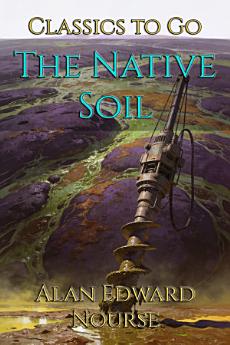
The Native Soil: Restored Classics to Go Edition
About this ebook
Discover more
About the author
Alan Edward Nourse was an American physician, science fiction writer, and editor whose career bridged the worlds of medicine and imaginative literature in a way that gave his work uncommon realism and urgency. Born in 1928 and trained in medicine, he brought firsthand knowledge of human bodies, illness, and ethical strain to stories that often examined how science changes ordinary lives. Over the course of a productive career, he became known for sharp, accessible fiction that appeared in magazines, novels, and nonfiction, and for helping define a thoughtful, human-centered strain of midcentury science fiction. His writing often explored adolescence, social pressure, medical ethics, technological change, and the fragile boundary between progress and harm, giving his stories a lasting relevance in an age still wrestling with innovation, public health, and the responsibilities of expertise. Nourse's work stands out for its clarity, pace, and empathy, as well as for its belief that the future is shaped not only by machines but by character and conscience. Today he remains significant as a writer who made speculative fiction feel immediate and morally grounded, and readers who enjoy intelligent science fiction, medical drama, and stories that combine adventure with real human stakes are especially likely to appreciate him.