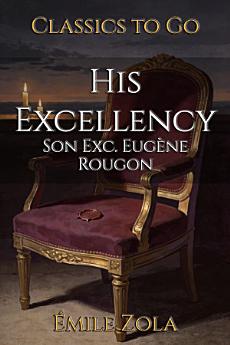
His Excellency: Restored Classics to Go Edition
About this ebook
Discover more
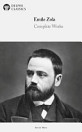
About the author
Émile Zola was born in Paris in 1840 and spent much of his youth in Aix-en-Provence, where the landscapes and social divisions of southern France would later feed his fiction. After the early death of his father and a difficult start in life, he moved back to Paris and worked as a clerk and journalist before turning fully to literature. He became one of the defining voices of nineteenth-century realism and the leading champion of naturalism, building a vast body of novels that examined how heredity, environment, ambition, poverty, and power shape human lives. His writing was bold, unsparing, and deeply attentive to the pressures of modern society, whether he was portraying the struggles of workers, the corruption of politics, or the fragility of family and desire. Zola is also remembered for his moral courage: his public defense of Alfred Dreyfus made him a symbol of intellectual conscience and civic responsibility. The enduring force of his work lies in its clear-eyed look at systems that still matter today, from inequality and class conflict to the ways institutions can distort truth and exploit the vulnerable. He remains significant because he insisted that literature could reveal social realities as well as personal ones, and because his fiction still feels urgent in its compassion and outrage. Readers who enjoy socially engaged novels, psychological depth, and sweeping portraits of society will find Zola especially rewarding.