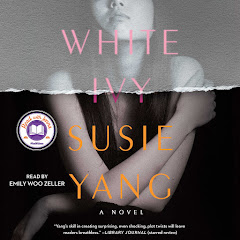
White Ivy: A Novel
Susie Yang
វិច្ឆិកា 2020 · Simon and Schuster · បរិយាយដោយ Emily Woo Zeller
star
ការវាយតម្លៃ 5
headphones
សៀវភៅជាសំឡេង
12 វិ 51 ន
មិនសង្ខេប
family_home
មានសិទ្ធិ
info
ចង់បានគំរូឥតគិតថ្លៃ 10 នាទី ទេ? ស្ដាប់បានគ្រប់ពេល ទោះគ្មានអ៊ីនធឺណិត។
បញ្ចូល
អំពីសៀវភៅជាសំឡេងនេះ
“A truly addictive read” (Glamour) about how a Chinese American woman’s crush on a privileged former classmate becomes a story of love, lies, and dark obsession, offering stark insights into the immigrant experience, as it hurtles to its electrifying ending in this “twisty, unputdownable, psychological thriller” (People).
Ivy Lin is a thief and a liar—but you’d never know it by looking at her.
Raised outside of Boston, Ivy’s immigrant grandmother relies on Ivy’s mild appearance for cover as she teaches her granddaughter how to pilfer items from yard sales and second-hand shops. Thieving allows Ivy to accumulate the trappings of a suburban teen—and, most importantly, to attract the attention of Gideon Speyer, the golden boy of a wealthy political family. But when Ivy’s mother discovers her trespasses, punishment is swift and Ivy is sent to China, and her dream instantly evaporates.
Years later, Ivy has grown into a poised yet restless young woman, haunted by her conflicting feelings about her upbringing and her family. Back in Boston, when Ivy bumps into Sylvia Speyer, Gideon’s sister, a reconnection with Gideon seems not only inevitable—it feels like fate.
Slowly, Ivy sinks her claws into Gideon and the entire Speyer clan by attending fancy dinners and weekend getaways to the Cape. But just as Ivy is about to have everything she’s ever wanted, a ghost from her past resurfaces, threatening the nearly perfect life she’s worked so hard to build.
Filled with surprising twists and a nuanced exploration of class, race, identity, and ambition, White Ivy is a “highly entertaining,” (The Washington Post) “propulsive debut” (San Francisco Chronicle) that offers a glimpse into the dark side of a woman who yearns for success at any cost.
“A truly addictive read” (Glamour) about how a Chinese American woman’s crush on a privileged former classmate becomes a story of love, lies, and dark obsession, offering stark insights into the immigrant experience, as it hurtles to its electrifying ending in this “twisty, unputdownable, psychol...
ស្វែងរកច្រើនទៀត
ការដាក់ផ្កាយ និងមតិវាយតម្លៃ
ការវាយតម្លៃ 5
អំពីអ្នកនិពន្ធ
Susie Yang was born in Chongqing, China, and grew up in New Jersey. She holds a pharmD from Rutgers University. Her first novel, White Ivy, was a Read with Jenna Book Club Pick on the Today show, a New York Times bestseller, and was longlisted for the Center for Fiction’s First Novel Prize. She has lived across the United States, Europe, and Asia, and now resides in Seattle with her family.
Susie Yang was born in Chongqing, China, and grew up in New Jersey. She holds a pharmD from Rutgers University. Her first novel, White Ivy, was a Read with Jenna Book Club Pick on the Today show, a New York Times bestseller, and was longlisted for the Center for Fiction’s First Novel Prize. She h...
វាយតម្លៃសៀវភៅជាសំឡេងនេះ
ប្រាប់យើងអំពីការយល់ឃើញរបស់អ្នក។
ព័ត៌មានអំពីការស្ដាប់
ទូរសព្ទឆ្លាតវៃ និងថេប្លេត
ដំឡើងកម្មវិធី Google Play Books សម្រាប់ Android និង iPad/iPhone ។ វាធ្វើសមកាលកម្មដោយស្វ័យប្រវត្តិជាមួយគណនីរបស់អ្នក និងអនុញ្ញាតឱ្យអ្នកអានពេលមានអ៊ីនធឺណិត ឬគ្មានអ៊ីនធឺណិតនៅគ្រប់ទីកន្លែង។
កុំព្យូទ័រយួរដៃ និងកុំព្យូទ័រ
អ្នកអាចអានសៀវភៅដែលបានទិញនៅពេលកម្សាន្ត Google ដោយប្រើកម្មវិធីរុករកបណ្ដាញកុំព្យូទ័ររបស់អ្នក។


